



Auristatin
Auristatins are synthetic analogs of dolastatin 10 that function as highly potent microtubule-disrupting cytotoxins and are widely used as payloads in antibody-drug conjugates (ADCs) for targeted cancer therapy[1][2]. Auristatin derivatives, including monomethyl auristatin E (MMAE) and monomethyl auristatin F (MMAF), inhibit tubulin polymerization, disrupt microtubule dynamics, and induce mitotic arrest, thereby suppressing tumor cell proliferation[1][3]. Mechanistically, structural studies demonstrate that auristatins destabilize microtubules through direct interaction with the tubulin network, providing the molecular basis for their antimitotic activity[1]. In cancer models, the extreme potency of auristatins necessitates targeted delivery strategies, and ADC platforms exploit antibody-mediated internalization to release auristatin payloads selectively within tumor cells[2][4]. Compared with related microtubule-targeting payload classes such as maytansinoids, auristatins remain among the most frequently deployed ADC warheads because of their high cytotoxic activity at low intracellular concentrations[4]. Distinctions between major auristatin isoforms are also relevant for experimental design, as MMAE and MMAF differ in physicochemical properties and cellular behavior despite sharing a common microtubule-directed mechanism[3]. For research applications, auristatin-based ADCs serve as established tools for investigating targeted cytotoxic delivery, microtubule biology, therapeutic resistance, and payload optimization in oncology models[2][3][4].
References:
- [1]. Waight AB, et al. Structural Basis of Microtubule Destabilization by Potent Auristatin Anti-Mitotics. PLoS One. 2016 Aug 12;11(8):e0160890. [Content Brief]
- [2]. Hingorani DV, et al. Monomethyl auristatin antibody and peptide drug conjugates for trimodal cancer chemo-radio-immunotherapy. Nat Commun. 2022 Jul 5;13(1):3869.
- [3]. Sokka IK, et al. Increasing the Potential of the Auristatin Cancer-Drug Family by Shifting the Conformational Equilibrium. Mol Pharm. 2019 Aug 5;16(8):3600-3608. [Content Brief]
- [4]. Klute K, et al. Microtubule inhibitor-based antibody-drug conjugates for cancer therapy. Onco Targets Ther. 2014 Dec 3;7:2227-36. [Content Brief]
-
Auristatin Related Products (15)
Related Products (15)

- 1
-
Monomethyl auristatin E
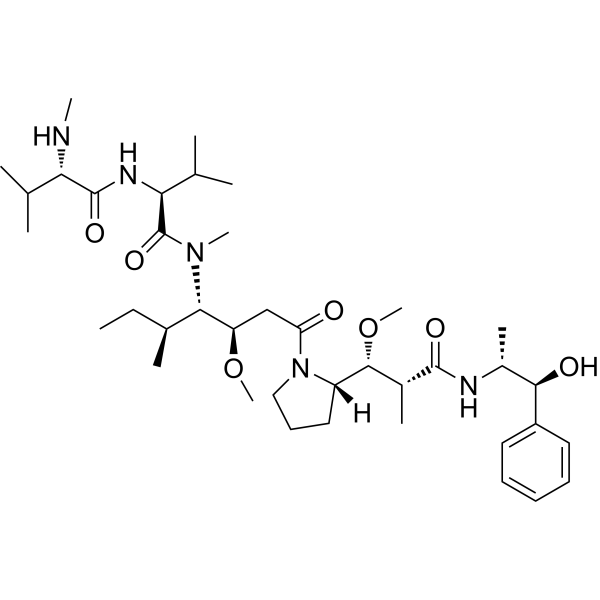 0 ImagesSynonyms: MMAE; SGD-1010Monomethyl auristatin E (MMAE; SGD-1010) is a synthetic derivative of dolastatin 10 and functions as a potent mitotic inhibitor by inhibiting tubulin polymerization. MMAE is widely used as a cytotoxic component of antibody-drug conjugates (ADCs) to treat several different cancer types.
-
MMAF
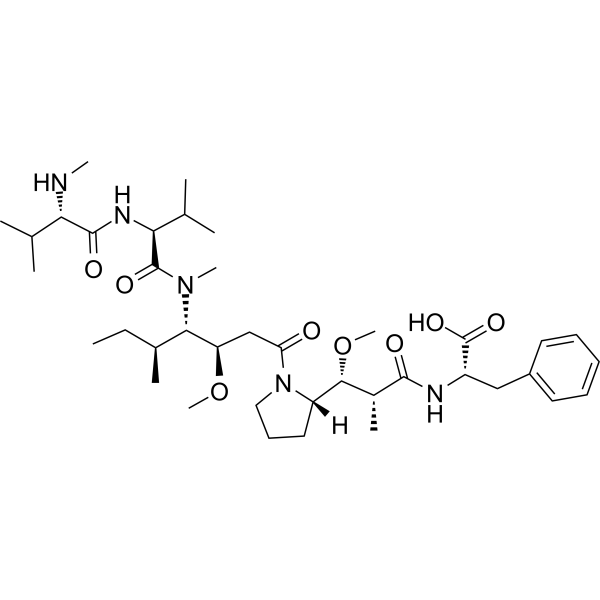 0 ImagesSynonyms: Monomethylauristatin FMMAF (Monomethylauristatin F) is a potent tubulin polymerization inhibitor and is used as a antitumor agent. MMAF (Monomethylauristatin F) is widely used as a cytotoxic component of antibody-drug conjugates (ADCs) such as vorsetuzumab mafodotin and SGN-CD19A.
-
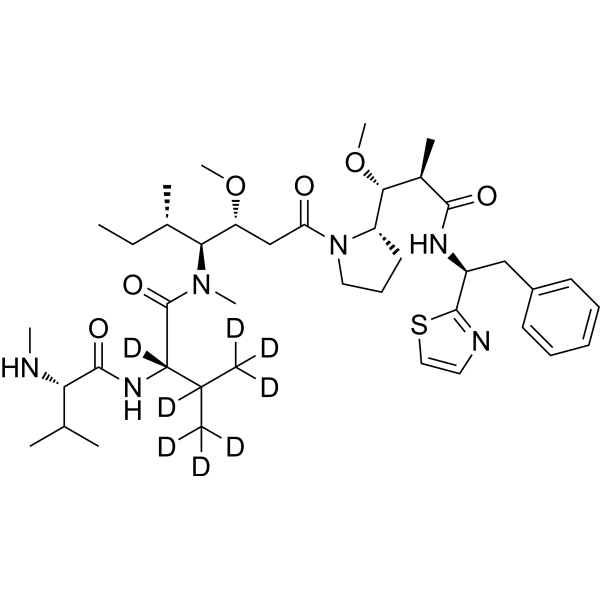
MMAE-d8
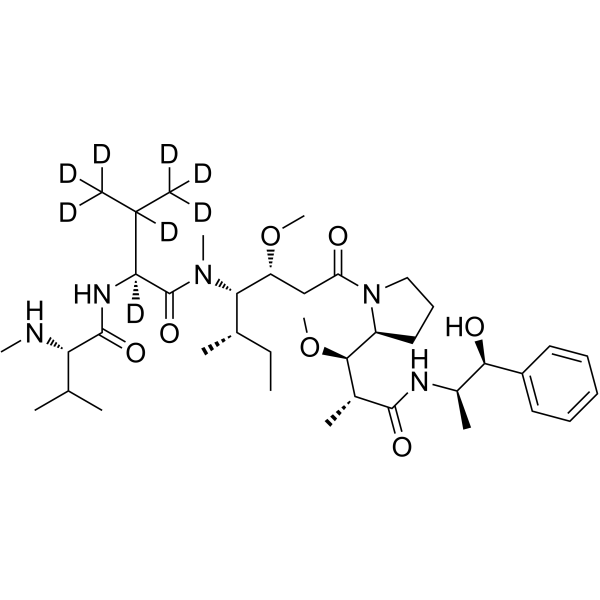 0 ImagesSynonyms: Monomethyl auristatin E-d8; Deuterated labeled MMAEMMAE-d8 is a deuterated labeled MMAE, a potent mitotic inhibitor and a tubulin inhibitor.
-
Auristatin E
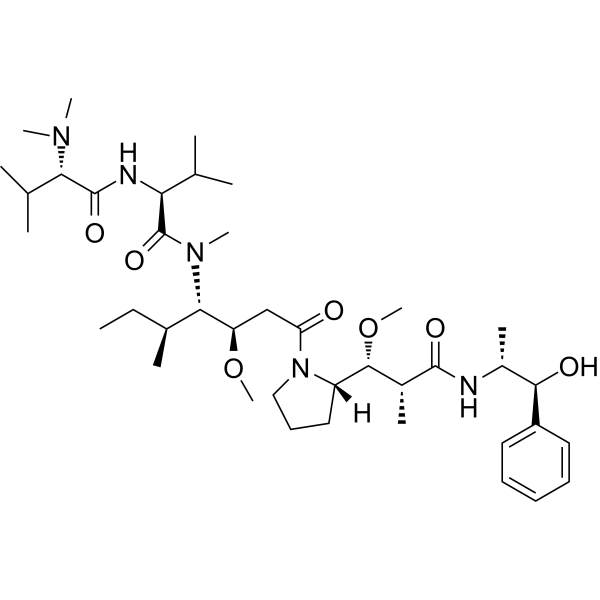 0 ImagesAuristatin E is a cytotoxic microtubule polymerization inhibitor with potent and selective antitumor activity. Auristatin E is a cytotoxin in antibody-drug conjugates (ADC). Auristatin E inhibits cell division by blocking the polymerisation of tubulin, promising for research in B-cell malignancies. Auristatin E, a synthetic analogue of the Dolastatin 10 (HY-15580), is linear peptides comprised of four amino acids.
-
MMAF-OMe
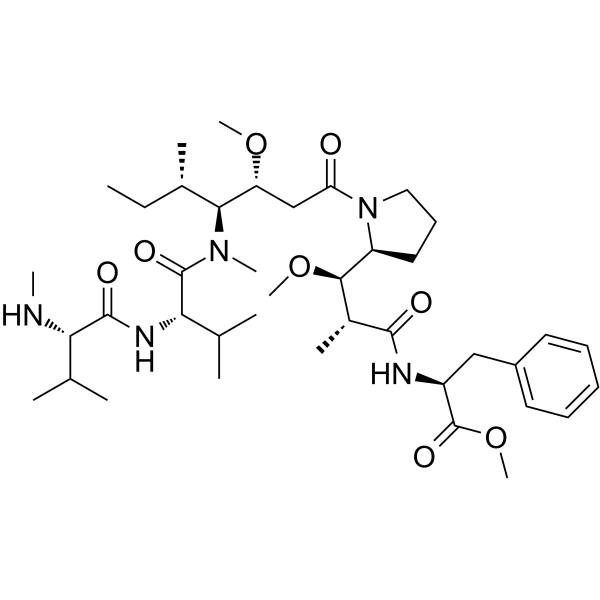 0 ImagesSynonyms: Monomethyl auristatin F methyl esterMMAF-Ome, an antitubulin agent, is also an ADC cytotoxin. MMAF-Ome inhibits several tumor cell lines with IC50s of 0.056 nM, 0.166 nM, 0.183 nM, and 0.449 nM for MDAMB435/5T4, MDAMB361DYT2, MDAMB468, and Raji (5T4-) cell lines, respectively.
-
PF-06380101
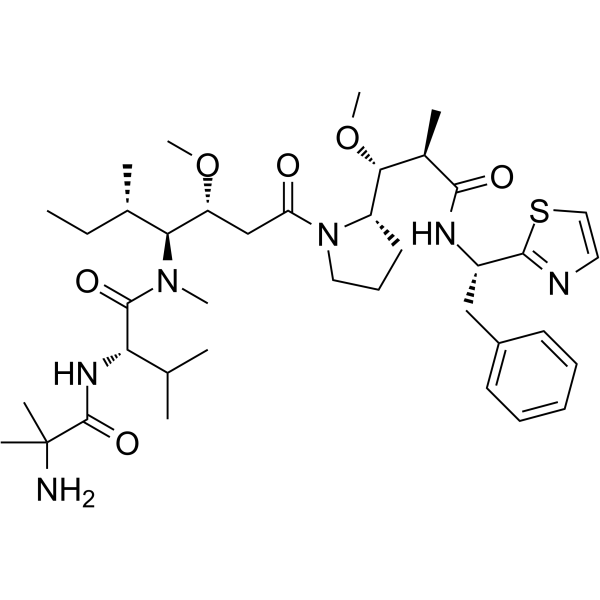 0 ImagesSynonyms: Aur0101; Auristatin-0101PF-06380101 (Aur0101), an auristatin microtubule inhibitor, is a cytotoxic Dolastatin 10 analogue. PF-06380101 (Aur0101) shows excellent potencies in tumor cell proliferation assays and differential ADME properties when compared to other synthetic auristatin analogues that are used in the preparation of ADCs.
-
MMAF hydrochloride
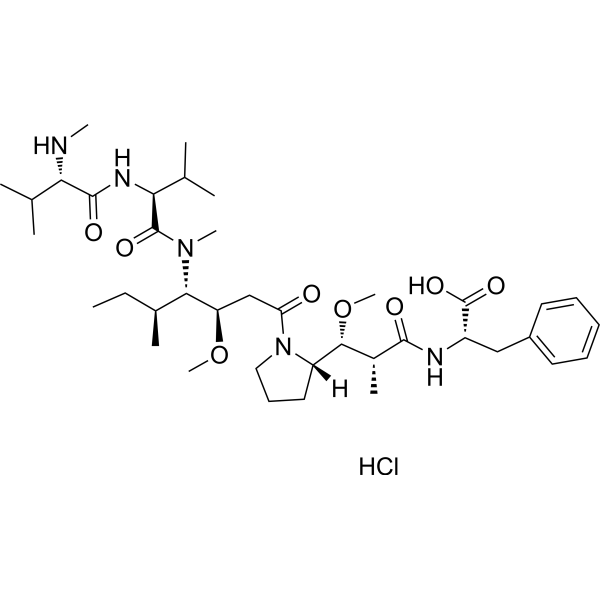 0 ImagesSynonyms: Monomethylauristatin F hydrochlorideMMAF (Monomethylauristatin F) hydrochloride is a potent tubulin polymerization inhibitor and is used as a antitumor agent. MMAF hydrochloride is widely used as a cytotoxic component of antibody-drug conjugates (ADCs) such as Vorsetuzumab mafodotin and SGN-CD19A.
-
Fmoc-MMAE
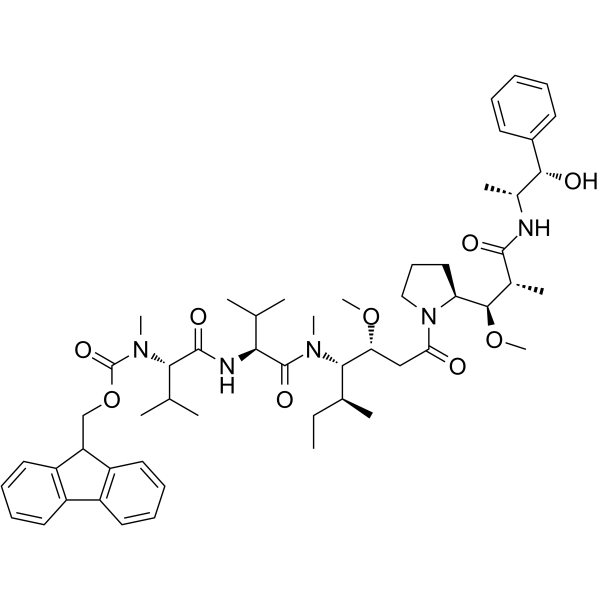 0 ImagesFmoc-MMAE is a protective group-conjugated monomethyl auristatin E (MMAE), which is a potent tubulin inhibitor. Fmoc-MMAE can be used in the synthesis of ADC.
-
Dolastatin 10
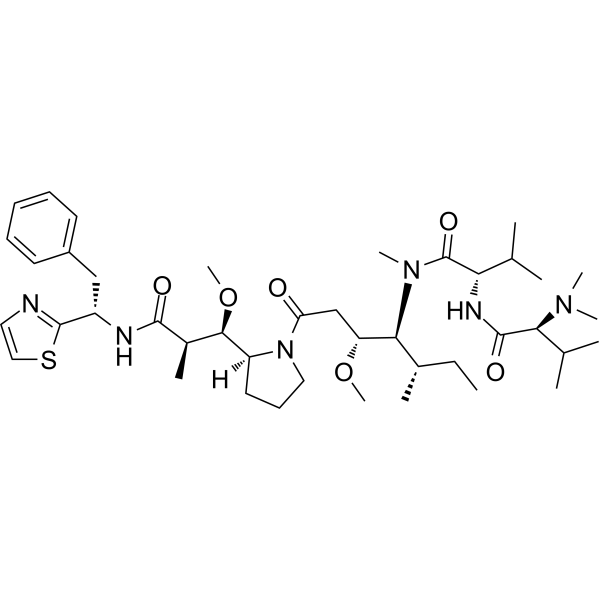 0 ImagesSynonyms: DLS 10; NSC 376128Dolastatin 10 (DLS 10) is a potent antimitotic peptide that inhibits tubulin polymerization.
-
MMAD
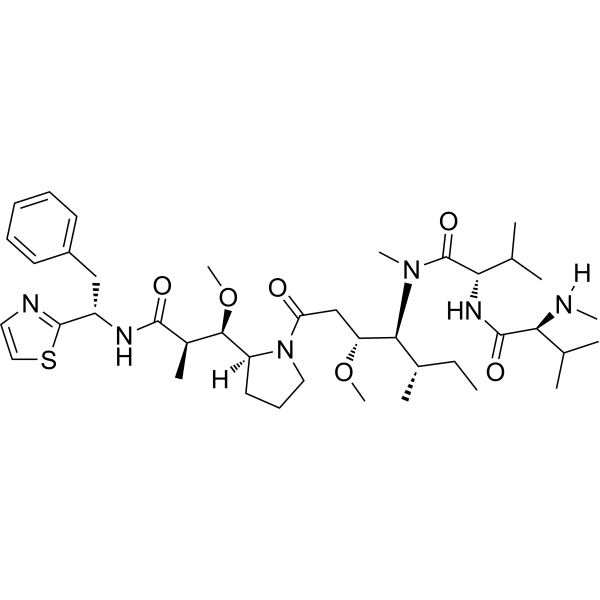 0 ImagesSynonyms: Demethyldolastatin 10; Monomethylauristatin D; Monomethyl Dolastatin 10MMAD is a potent tubulin inhibitor, is a toxin payload in antibody agent conjugates (ADCs).
-
MMAF sodium
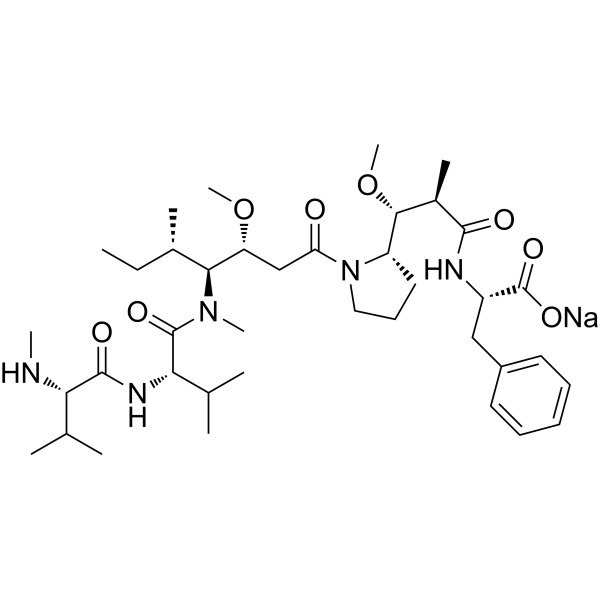 0 ImagesSynonyms: Monomethylauristatin F sodiumMMAF sodium (Monomethylauristatin F sodium) is a potent tubulin polymerization inhibitor and is used as a antitumor agent. MMAF sodium (Monomethylauristatin F sodium) is widely used as a cytotoxic component of antibody-drug conjugates (ADCs) such as Vorsetuzumab mafodotin and SGN-CD19A.
-
MMAF-d8 hydrochloride
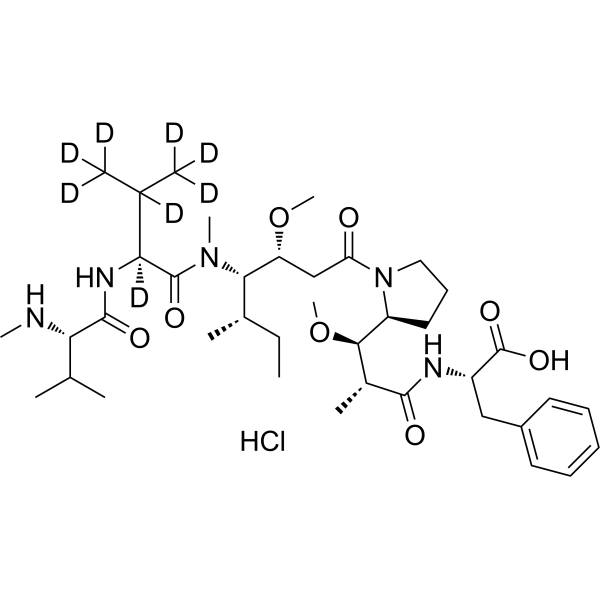 0 ImagesCat. No.: HY-15579ASPurity: 99.52%MMAF-d8 (hydrochloride)e is a deuterated form of MMAF hydrochloride, which is a microtubule disrupting agent.
-
PF-06380101-d8
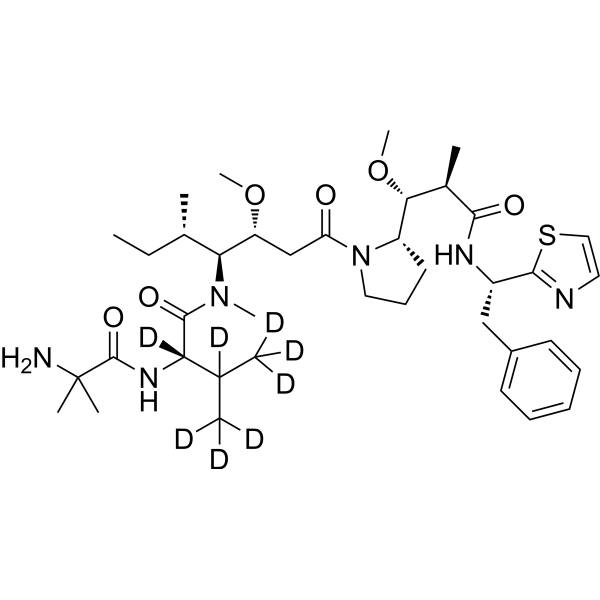 0 ImagesSynonyms: Aur0101-d8; Auristatin-0101-d8PF-06380101-d8 (Aur0101-d8) is a deuterium labeled PF-06380101 (HY-12522). PF-06380101, an Auristatin microtubule inhibitor, is a cytotoxic Dolastatin 10 analogue.
-
Dolastatin 15
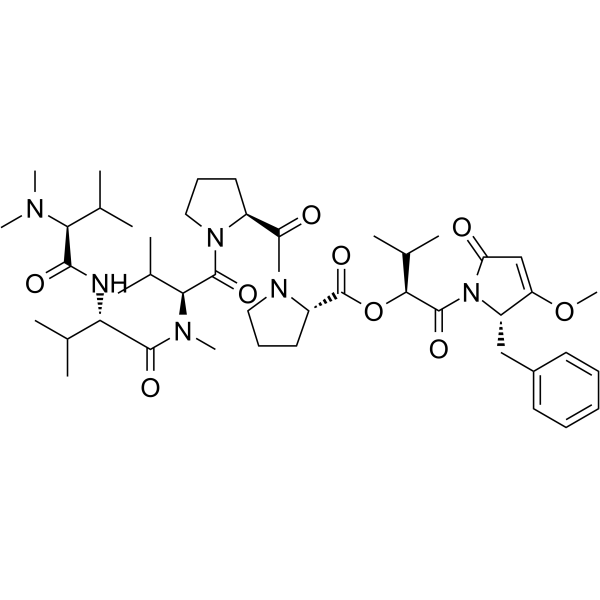 0 ImagesCat. No.: HY-P1126CAS No.: 123884-00-4Synonyms: DLS 15Dolastatin 15 (DLS 15), a depsipeptide derived from Dolabella auricularia, is a potent antimitotic agent structurally related to the antitubulin agent Dolastatin 10. Dolastatin 15 induces cell cycle arrest and apoptosis in multiple myeloma cells. Dolastatin 15 can be used as an ADC cytotoxin.
- 1



